
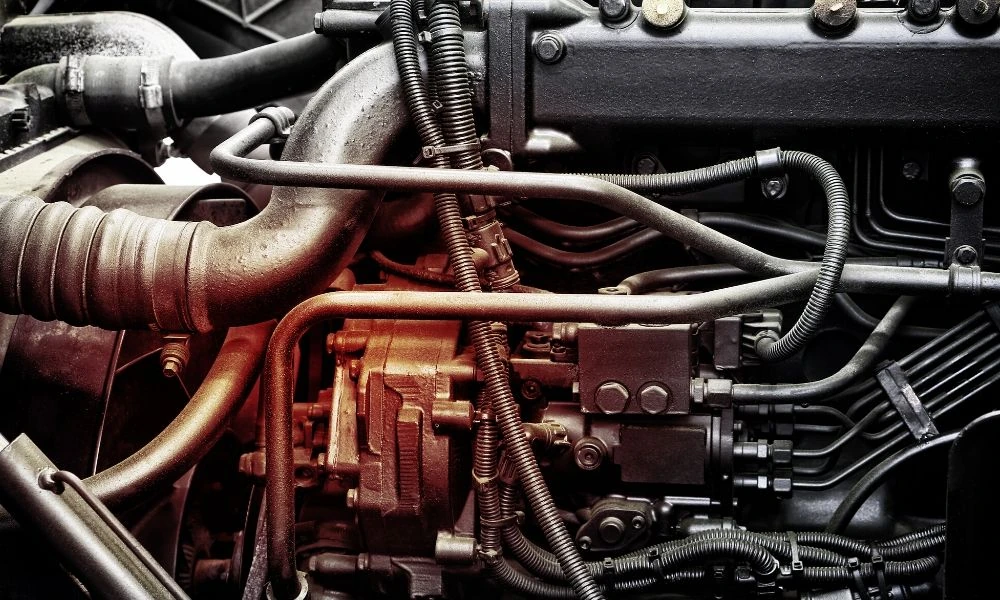
The injection pump controls fuel delivery in diesel engines by sending the proper amount to injectors at precise pressure and timing. Its design affects combustion, performance, fuel economy, emissions, and overall engine reliability over time.
Over decades of engineering development, manufacturers have refined these internal mechanics to withstand immense operational pressures, with industry standards like the Bosch injection pump showcasing how robust internal components and precise tolerances ensure consistent fuel delivery under heavy workloads.
Controls Fuel Delivery
A diesel engine requires precise fuel delivery to achieve effective combustion. The injection pump controls how much fuel reaches the injectors and when that fuel is delivered.
A well-designed pump helps maintain consistent fuel flow under different engine speeds and loads. If fuel delivery is too high, the engine may produce excessive smoke and consume more fuel. Insufficient or poorly timed delivery can result in weak performance, difficult starting, or irregular engine operation.
Supports Efficient Combustion
Diesel engines ignite fuel through the heat created by compressed air rather than using a traditional spark plug. This makes accurate injection particularly important.
The pump must work with the injectors to deliver fuel at the appropriate moment. Proper timing and pressure can help the fuel atomize effectively and mix with compressed air. Better fuel distribution supports more complete combustion and can contribute to efficient engine operation.
Affects Fuel Economy
Fuel efficiency is another area influenced by injection pump design. An engine that receives more fuel than necessary can waste energy and increase operating costs.
Modern injection systems are designed to provide more precise control over fuel delivery. Depending on the engine system, electronic controls can adjust injection characteristics according to factors such as engine speed, load, and operating conditions.
Influences Engine Performance
The injection pump affects how an engine responds to changing workloads. Agricultural machinery, generators, commercial vehicles, and construction equipment can experience significant variations in operating demand.
A suitable pump design can help maintain stable fuel delivery when engine conditions change. This can contribute to consistent power output and smoother operation.
Important design considerations include:
- Fuel delivery capacity
- Injection pressure
- Timing accuracy
- Engine compatibility
- Operating speed range
- Control method
Helps Manage Emissions
Fuel injection also has a role in controlling diesel exhaust emissions. Poorly controlled fuel delivery can contribute to incomplete combustion and increased production of smoke and certain pollutants.
Modern diesel engines often combine advanced injection technology with other emissions-control systems. Accurate fuel metering and timing can support the combustion process and help the complete fuel system meet applicable emissions requirements.
Improves Reliability
The injection pump operates under demanding conditions involving pressure, temperature, and continuous mechanical or electronic activity. Its design must therefore provide appropriate durability for the engine’s intended application.
Contaminated fuel can damage sensitive components, while incorrect maintenance may accelerate wear. Regular fuel-filter replacement, clean fuel, and proper servicing can help protect the injection system.
Choose the Correct Design
Diesel engines rely on various injection systems, so replacement pumps must suit the engine and fuel setup. Consider manufacturer specifications and expert advice rather than choosing components based solely on appearance or cost.