


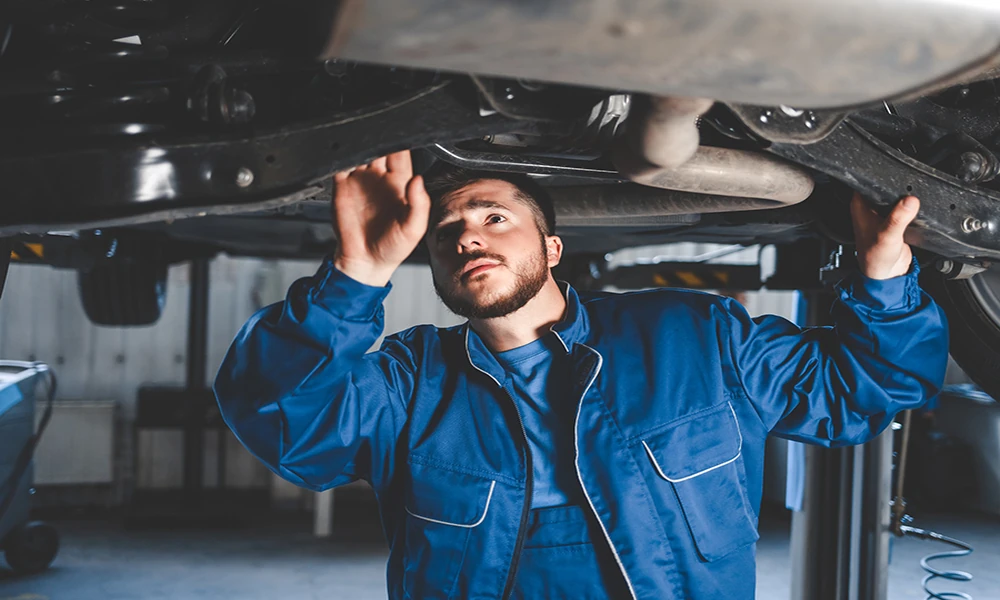
Grinding and clicking sounds can signal trouble within an automatic transmission system. The torque converter plays an important role in transferring engine power smoothly. When internal components become damaged unusual noises can develop during driving. Sometimes those sounds become clearer during acceleration or gear engagement. A timely inspection can reveal whether the torque converter needs professional attention.
Damaged Torque Converter Bearings Can Create Grinding Sounds
Internal bearing damage can develop from prolonged wear or inadequate lubrication. Contaminated transmission fluid can also increase friction around sensitive rotating components. As damage progresses the sound may become louder during normal driving. Kristians Auto and Truck can inspect the transmission system when unusual grinding noises become persistent. Early diagnosis can help prevent damage from spreading into other components.
Worn Internal Components May Produce Clicking Sounds
Clicking sounds can occur when internal torque converter components develop excessive movement. Damaged fins or internal mechanisms may create irregular contact during rotation. The clicking can become noticeable when shifting between different driving conditions. Sometimes the sound appears only when the engine begins transferring power. Kristians Auto and Truck can assess the source before major repair work begins.
Low Transmission Fluid Can Increase Internal Noise
Old transmission fluid can create similar concerns when its protective properties deteriorate. Contaminated fluid may contain particles that increase wear against internal surfaces. So fluid condition should always be considered during transmission noise diagnosis. A professional technician can inspect fluid level and overall transmission condition. Kristians Auto and Truck can help identify fluid related concerns before internal damage becomes severe.
Conclusion
A proper inspection prevents unnecessary replacement of expensive transmission components. It also helps determine whether repair or further testing is appropriate. Auto Repair in Phoenixville, PA service can provide professional assistance for transmission noise concerns. Prompt attention can protect surrounding components from additional mechanical stress. So unusual grinding or clicking should never be treated as harmless.
FAQs
Can A Torque Converter Click Only After the Vehicle Warms Up?
Yes. Internal clearances can change with operating temperature and reveal worn components. A warm transmission may therefore make previously subtle clicking sounds easier to notice.
Can Dirty Fluid Make Torque Converter Noises Louder?
Yes. Contaminated fluid can reduce lubrication quality and increase friction around internal components. This may make existing mechanical noise more noticeable during operation.
Can A Converter Noise Disappear Temporarily After Shifting?
It can. Changes in load and fluid pressure may temporarily alter internal noise patterns. However temporary silence does not confirm that the underlying problem has disappeared.
Does Converter Damage Always Cause Transmission Slipping?
No. Early internal damage may initially produce noises without obvious slipping. Other symptoms can develop as internal wear continues or additional components become affected.
Can Professional Testing Identify Converter Noise Without Removal?
Often yes. Technicians can use fluid inspection and operational testing before considering component removal.