
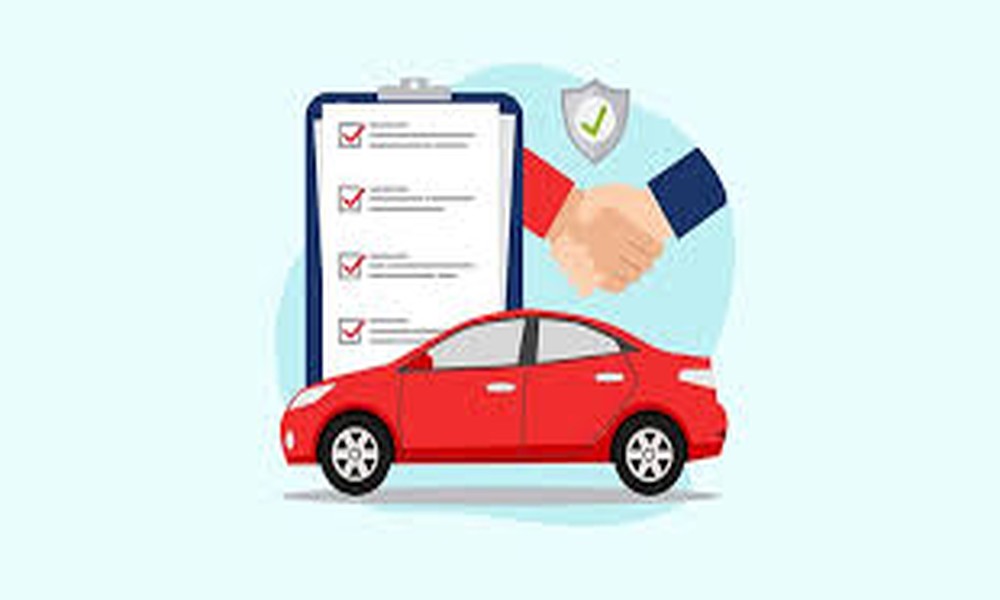
The costliest renewal mistakes are simple: letting the policy lapse, choosing only the lowest premium, and skipping basic coverage checks on your car insurance.These errors can look minor on payment day, but they often lead to bigger problems later. A lapse can leave you uninsured even for one day, a cheap renewal may remove useful protection, and missed details can reduce what you actually receive at claim time.Think of a common case: your renewal quote is cheaper by ₹2,000, so you pay quickly on your phone. Later, after a bumper claim, you realise key add-ons are missing, your out-of-pocket bill is much higher, and the claim takes longer because your cover was not reviewed properly.
A lower premium is only a good deal if the protection still matches your car, city use, and budget.
This guide breaks down the renewal mistakes that matter most, why they happen, and what to check before you renew.
A policy lapse can leave you exposed from day one
Even a one- or two-day break in cover can create risk the moment your policy expires. Once a policy lapse happens, your third-party protection may stop, which can leave you exposed to legal trouble if your car causes injury, death, or property damage on the road.The own-damage side can also get tricky. Many insurers may ask for a vehicle inspection before restarting that part of car insurance, and the premium or terms may change based on what they find and what the policy wording allows.Picture this: you renew two days late, scrape another car in parking traffic, and then try to claim. Third-party liability may become a serious issue, while your own-damage claim could be delayed or denied if the cover had already expired.Renewing early is the simplest way to avoid this kind of preventable stress.Exact rules can vary by insurer, IRDAI guidance, and your policy terms, so check the expiry date and pay early.
Cheaper is not always better when you renew car insurance
The cheapest renewal quote can become the costliest choice later if the cover is thinner where it matters.Many people compare car insurance only on premium, then realise during a claim that the policy has a lower insured value, higher deductible, fewer add-ons, or a weak cashless garage network. A ₹1,500 saving looks good on screen, but one denied repair part or a bigger out-of-pocket bill can wipe that out fast.Compare the claim value, not just the renewal price.Use a simple check before paying:
- IDV check: is the car undervalued to cut premium?
- Deductible: how much will you pay yourself?
- Exclusions: what damage or usage is not covered?
- Add-on covers: do you need zero dep, engine cover, roadside help?
- Claim settlement process: is support easy and practical in your city?
Think of it as same premium vs actual protection. Two plans may look close in price, but one may give better workshop access and fewer surprises after an accident.There is a tradeoff, though. An older car may not need every add-on, so the smart choice is balanced cover, not blindly buying the lowest or highest quote.
If your details are wrong, your claim process can get messy
Small mistakes in your renewal details can turn into big delays when you file a claim. A wrong registration number, fuel type, or variant can affect underwriting and premium calculation, while an outdated mobile number or nominee can slow communication when you need quick approval.Match every detail on the renewal page with your RC, previous policy, and current usage.Check these before paying:
- Registration number and RTO
- Fuel type, variant, and manufacturing year
- Owner name, address, nominee, and mobile number
- Past claims declared correctly
- Add-on covers selected as intended
Say your policy shows petrol but your car is diesel, or it lists the base variant instead of the top model. During inspection or the claim settlement process, the insurer may ask extra questions, recalculate risk, or reject part of the claim if the mismatch looks material.This matters even more in car insurance because renewal often feels like a one-click task. Taking a few minutes to verify the form now can help your future claim move with less friction.
Renewal is not the same as buying a new car insurance policy
Renewal is not the same as buying a new car insurance policy, because you already have a claim history, earned benefits, and coverage gaps to review. Many car owners compare only this year’s premium, but renewal decisions should start with what you are carrying forward, not just what looks cheapest today.If your current insurer gave decent support, wide garage access, and a smooth claim experience, renewal often makes sense. You keep continuity and protect benefits like No Claim Bonus, which can cut premium but usually resets if a claim changes the record.Switching can still be smart if service was poor, coverage is weak, or the price jump is hard to justify. Before moving, check:
- NCB transfer rules
- add-ons you will lose or gain
- whether the garage network works in your city
A quick review helps you switch only when the advantage is real.
Skipping IDV, add-ons, and NCB checks can quietly reduce protection
IDV, add-ons, and No Claim Bonus directly affect what you pay now and what you can recover later. Many people renew fast, accept the prefilled values, and miss that one small setting can cut claim value or leave a common repair uncovered.IDV is the insured value of your car, and it matters most in theft or total loss cases. If you push it too low just to save premium, the payout may feel painfully short when you need it. A 5-year-old hatchback used daily in a flood-prone city may need a more careful IDV check than a weekend-use car.NCB is your premium discount for claim-free years, but it must match your record. If you claimed last year and the discount is still applied, it can create trouble later.Check insurer policy wording and IRDAI guidance before you confirm renewal.Useful add-on covers depend on use:
- Zero depreciation for newer cars
- Roadside assistance for highway or late-night driving
- Engine protection for waterlogging-prone areas
A quick review here protects both premium logic and payout strength.
What to do next before you pay for renewal
Pause for 10 minutes and check the basics before you pay for renewal on your car insurance.Match coverage first, then compare price.
- Confirm the expiry date so there is no policy lapse.
- Compare like-for-like cover, not just premium.
- Verify IDV check and No Claim Bonus.
- Recheck registration number, fuel type, variant, and city.
- Review add-on covers you actually need.
- Read key exclusions and the claim settlement process, especially garage and parts limits.
If you do only these checks, you reduce the chance of expensive surprises later and make your renewal decision much more practical.
Conclusion
Treat renewal like a 10-minute financial check, not a quick click. Review details, compare cover against price, and renew car insurance before expiry so a later claim does not turn stressful.